
The Gospel for the 7th Sunday after Epiphany (Luke 6:27-38) continues Jesus’ “Sermon on the Plain.” It is the parallel to the “Sermon on the Mount” in Matthew but the two are different in content as well as in location. The one thing they have pretty much in common is that while a crowd, a multitude […]
Monday Meditation: RCL Year C, 6th Sunday after Epiphany, Luke 6:17-26

The Gospel text for the 6th Sunday after Epiphany (Luke 6:17-26) is familiar and unfamiliar at the same time. The heart of it is the “Beatitudes,” the seemingly winsome but then difficult and paradoxical declarations by Jesus of what makes a person “blessed” or, in some translations, “happy.” Matthew’s version is much more prominent in […]
Monday Meditation: RCL Year C, 4th Sunday after Epiphany, Luke 4:21-30

I told you last week that the lectionary gave us only half of a story: Jesus came to his hometown synagogue and proclaimed himself the Messiah. Everyone seemed happy about it. This week (the 4th Sunday after Epiphany) we get to see the the rest of the story, in which the mob tries to throw […]
Monday Meditation: RCL Year C, 3rd Sunday after Epiphany, Luke 4:14-21
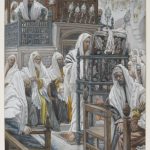
The lectionary is only intermittently committed to the narrative line of Scripture. This Sunday, the Third after Epiphany, brings us back to Luke (specifically Luke 4:14-21), but we’ve skipped an important bit. Two weeks ago we had the Baptism of the Lord from Luke, but we jump right past his temptation in the wilderness, the […]
Monday Meditation: RCL Year C, Baptism of the Lord, Luke 3:15-17, 21-22
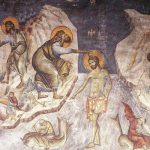
In the West, the first Sunday after Epiphany celebrates “The Baptism of the Lord.” In Year C the text is Luke 3:15-17, 21-22. This is the event which Eastern Orthodoxy celebrated on Epiphany itself, or as they often call it, the Theophany. By way of definitions: “Epiphany” means “appearance” or “manifestation.” In the West we […]
- « Previous Page
- 1
- …
- 22
- 23
- 24
- 25
- 26
- …
- 40
- Next Page »